Every year in mid-August, Earth passes through a stream of debris left behind by Comet Swift-Tuttle, and the result is one of the most reliable and impressive meteor showers of the year. The Perseids peak this week, and if you've never made a point of watching a meteor shower, this is the one to start with.
What the Perseids Actually Are
Meteor showers happen when Earth's orbit intersects the debris trail of a comet. Comet Swift-Tuttle orbits the Sun once every 130 years, and as it travels it sheds dust and rocky particles along its path. When Earth crosses that trail each August, those particles enter our atmosphere at around 60 kilometers per second. The friction with the air heats them to thousands of degrees and they vaporize in a brief streak of light — what we see as a meteor.
The particles themselves are typically tiny — most are no larger than a grain of sand. The dramatic light show comes entirely from the energy of their speed, not their size. A Perseid meteor leaves a glowing trail that can last for a second or two before fading completely.
Why They're Called the Perseids
Meteor showers are named for the constellation they appear to radiate from — the point in the sky from which the meteors seem to stream outward. For the August shower, that point is in Perseus, a constellation in the northern sky, which gives the shower its name. You don't need to look directly at Perseus to see the meteors — they can appear anywhere in the sky — but tracing the trails backward, they all point toward the same spot in Perseus.
When to Watch This Year
The Perseids peak on the nights of August 11th and 12th, with significant activity in the days immediately surrounding the peak. Under dark skies at peak, observers can see between 50 and 100 meteors per hour. Even under light-polluted suburban skies, the brightest Perseids will make it through — expect 20 to 30 per hour in a typical backyard.
The best viewing window is after midnight and before dawn. As the night progresses toward morning, Perseus rises higher in the sky, which means more meteors are visible and they appear to come from higher up rather than skimming along the horizon. The hours between 2 AM and 4 AM typically produce the highest rates.
This year's peak falls near a waxing crescent moon, which sets in the early evening and leaves the sky dark for the prime viewing hours — good conditions for the shower overall.
The Perseids are best viewed from the northern hemisphere, where Perseus rises high in the sky through the night. Southern hemisphere observers can still catch some activity, but the radiant stays low on the northern horizon and rates are significantly reduced — typically 10 to 20 meteors per hour rather than the 50 to 100 a northern observer might see at peak.
How to Get the Best View
No equipment is needed. Binoculars and telescopes actually work against you for meteor watching because they narrow your field of view and you'll miss the streaks happening elsewhere. The best tool is your naked eye, as much sky as possible, and a position that lets you take in a large portion of the overhead sky at once.
Get away from city lights if you can. Even a short drive to a darker area makes a substantial difference — not just in the number of meteors you see, but in the fainter ones that a light-polluted sky washes out entirely. Find an open field, a hilltop, or a dark parking lot, and give your eyes 15 to 20 minutes to adjust to the dark before you start counting.
Lie flat on your back if possible. Looking up at the full sky for extended periods is uncomfortable with your neck bent back, and lying down lets you take in the whole dome at once. Bring something to lie on, and bring a layer — even in August, the pre-dawn hours cool off quickly.
What Else Is Up That Night
While you're out watching for Perseids, the summer sky is at its finest. The Milky Way runs directly overhead from Cygnus down through Sagittarius and Scorpius in the south — on a dark night the structure of it, the darker lanes and brighter cloud regions, is unmistakable. The Summer Triangle — Vega, Deneb, and Altair — sits high in the south. Jupiter, if it's well-placed this year, will be among the brightest objects in the sky.
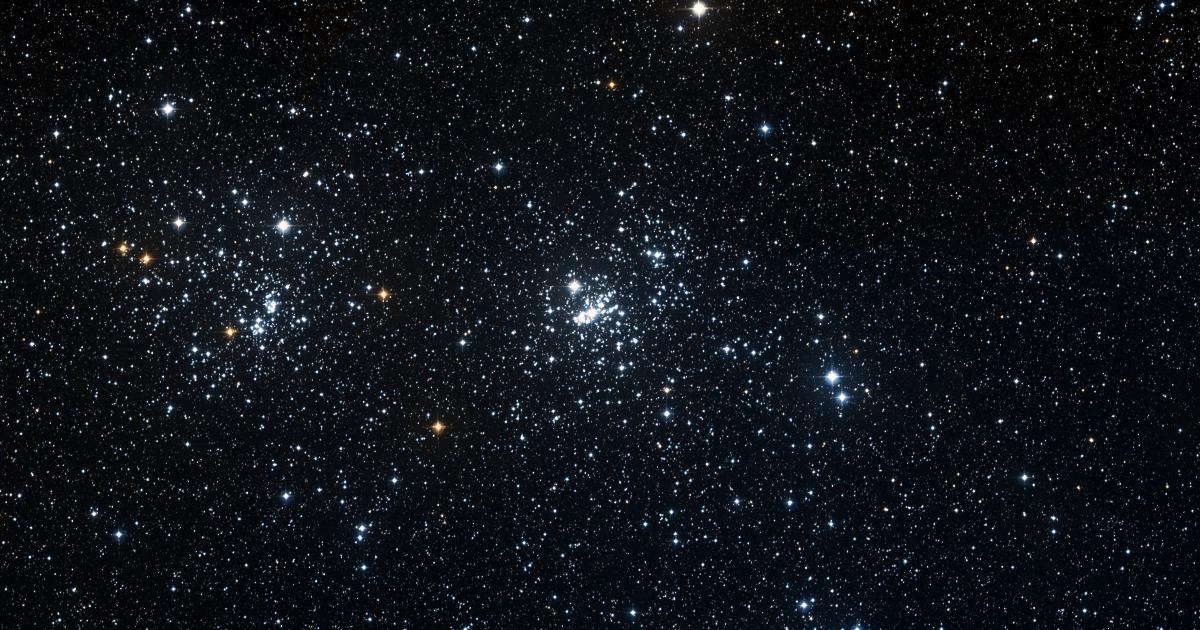
Perseus itself rises in the northeast after midnight, and just to its east lies the Pleiades — the small, tight cluster of blue stars that will become more prominent as autumn approaches. The Double Cluster, two open clusters of young hot stars sitting side by side in Perseus, is visible to the naked eye and worth a look through binoculars while you wait between meteors.
One More Thing to Consider
Lying on your back watching a hundred-year-old comet's debris burn up over your head on a clear August night is one of those experiences that's hard to replicate indoors. If the sky is clear, go outside. It doesn't require planning or equipment or expertise. It just requires showing up before the sky gets light.
Name a real star in Perseus or any of our 30 curated constellations at NamedLight →