When someone we love dies, the instinct is to do something — to mark their existence in a way that feels proportional to what they meant to us. Flowers arrive and fade. Cards get put away in a drawer. And then the world moves on in a way that feels quietly wrong.
The question of how to truly honor someone who has passed away is one of the most human questions there is. It sits at the intersection of grief and love — the need to say they were here, and it mattered.
This isn't a list of generic sympathy gestures. It's a genuine look at the kinds of tributes that tend to carry weight over time, and why some forms of remembrance endure while others don't.
Why Most Memorials Feel Temporary
There's nothing wrong with flowers, donations to charity, or a memorial plaque. These are thoughtful, time-honored gestures. But many people find themselves wanting something that exists in a more permanent way — something they can return to, or point to, and say that's them.
A memorial carries the most meaning when it has three qualities. Specificity — it refers to this person, not grief in general. Permanence — it doesn't fade, wilt, or get thrown away. And accessibility — it can be revisited, shared, or shown to others.
The tributes that tend to endure are the ones that check all three.
Lasting Ways to Honor Someone Who Has Passed
Name a Star in Their Memory
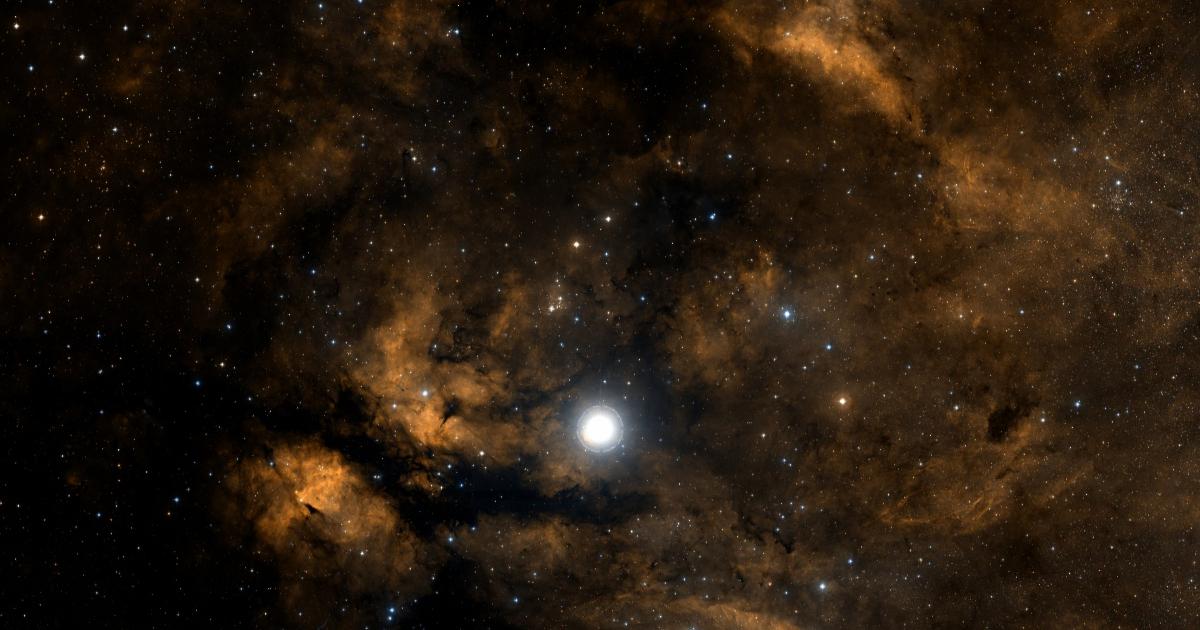
One of the more quietly profound things you can do is register a real star in someone's name. Not a symbolic placeholder — an actual catalogued star with verified astronomical coordinates, recorded permanently.
At NamedLight, each memorial registration is tied to a real star from the HYG Astronomical Database. The star's data — its distance from Earth, its constellation, its spectral class — becomes part of the tribute. There's something deeply comforting about knowing that the light from that star left its source decades or centuries ago, and is only reaching us now.
The registration includes a printed certificate and a permanent online registry page. It becomes something tangible to hold, and something permanent to return to. The registration is commemorative rather than scientific — no registry can offer official IAU naming. But it is a real star, permanently recorded under a real name, in a way that will outlast any of us.
Commission a Piece of Personalized Art
A portrait, a handwritten poem, or a custom illustration of a place that mattered to them — art made specifically for someone has a different quality than anything purchased off a shelf. It requires thought, which is itself a form of honoring.
Plant Something That Grows
A memorial tree or garden is one of the oldest forms of tribute. There's a particular comfort in watching something grow in someone's name — the sense that their absence is generating life rather than just absence.
Create a Memory Archive
Collect photos, voice memos, letters, and stories from people who loved them. A private online memorial, a printed photo book, or even a simple shared folder can become a place the family returns to for years.
Establish an Annual Tradition
The anniversaries are often the hardest. Creating a ritual around them — a meal, a walk, a gathering — gives grief a container and gives the person's memory a recurring place in the calendar.
On Grief and Permanence
There's a reason so many cultures look upward when they think of the dead. The sky is the one thing that is genuinely permanent from a human perspective — it was there before us and will be there long after. Connecting a loved one's memory to something in the sky isn't superstition. It's a very old human instinct to reach for something that won't disappear.
Whether you choose to name a star, plant a tree, or build an archive of memories, the most important thing is that the tribute feels true to who they were. Generic doesn't serve grief well. Specific does.
A Note on Sympathy Gifts
If you're looking for a way to honor a friend's loved one rather than your own, a star registration makes an unusually thoughtful sympathy gift precisely because it's specific. The grieving person receives something with coordinates, a constellation, a distance measured in light years — a real object in the real universe, named for the person they lost.
It arrives at a moment when most things feel hollow, and it lasts well beyond when everything else has been put away.